
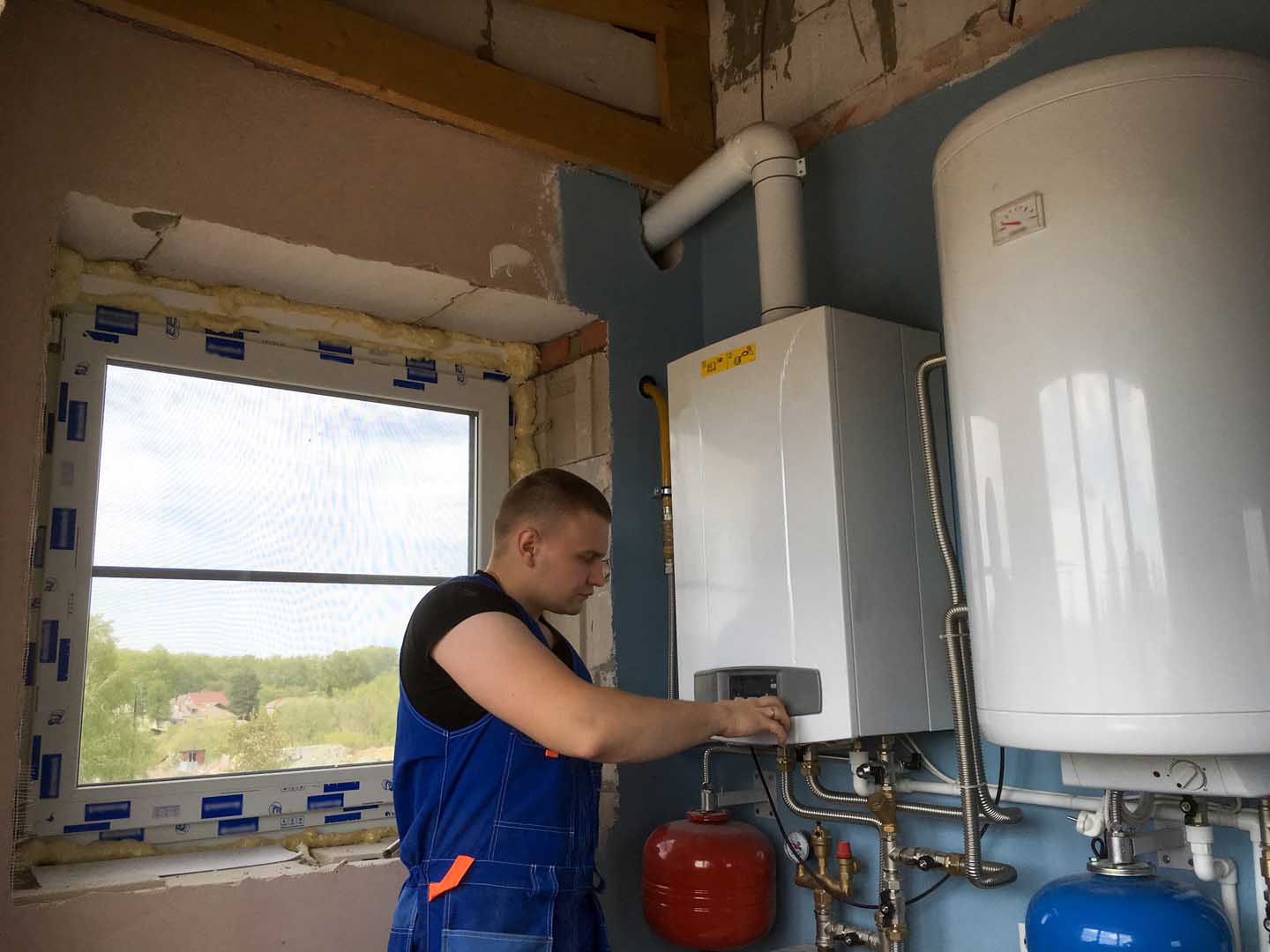
When it comes to boiler replacement, timing matters.
Many homeowners wait until their boiler stops working before they start thinking about replacing it. Unfortunately, in New England, that often means dealing with a heating emergency during some of the coldest weather of the year.
In our experience, the best time to replace a boiler is before winter arrives.
Most Boiler Failures Happen at the Worst Time
Heating systems tend to work quietly in the background for years. Because of that, they’re easy to forget about until something goes wrong.
We often see homeowners continue repairing older boilers year after year because the system is still operating. Eventually, however, there comes a point where age, wear, and unavailable parts catch up with the equipment.
When that happens in January, the situation becomes much more stressful than it needs to be.
Instead of planning a project at your convenience, you’re suddenly dealing with a house that may be losing heat and a system that has already failed.
Spring, Summer, and Fall Allow for Better Planning
We generally recommend considering boiler replacement during the spring, summer, or fall months.
Replacing a boiler before cold weather arrives allows everyone to plan properly. Homeowners have time to review options, ask questions, and make informed decisions without the pressure of an emergency.
It also allows us to focus entirely on creating the best installation possible rather than rushing to restore heat during severe winter conditions.
Emergency Replacements Create Additional Challenges
When a boiler fails in the middle of winter, there is often concern about more than just comfort.
If temperatures drop far enough, homes can face freezing risks. Pipes can become vulnerable, and the urgency of the situation increases significantly.
A planned replacement removes much of that stress.
Instead of reacting to a failure, you’re proactively upgrading your heating system on your schedule.
A Typical Replacement Is Faster Than Most People Expect
One question we hear frequently is how long a boiler replacement will take.
In many cases, a typical boiler replacement can be completed in one to two days.
While every home is different, homeowners are often surprised to learn that replacing an aging boiler doesn’t necessarily require a lengthy construction project.
Planning ahead helps ensure the process goes as smoothly as possible.
New Equipment Can Improve Efficiency
Older heating systems can continue operating long after their peak efficiency has passed.
We’ve worked with homeowners who experienced substantial reductions in fuel consumption after replacing outdated equipment.
One project that stands out involved a customer who replaced an older heating system and cut fuel costs in half during a particularly cold winter.
While every home is different, newer equipment often provides opportunities for improved performance and efficiency.
Annual Service Helps Extend Equipment Life
Even if your boiler isn’t ready for replacement today, regular maintenance remains important.
We have found that annual service can significantly extend the life of heating equipment. Routine inspections help identify issues before they become major problems and can help keep systems operating efficiently.
Maintenance won’t prevent every future replacement, but it can help homeowners get the most out of their investment.
Don’t Wait for an Emergency
The biggest advantage of replacing a boiler before winter is simple: you avoid being forced into a decision during an emergency.
If your boiler is approaching 20 years old, showing signs of leakage, requiring frequent repairs, or becoming difficult to service due to unavailable parts, it may be worth evaluating your options now rather than waiting until temperatures drop.
Planning ahead typically results in a smoother process and greater peace of mind.
If your boiler is getting older and you’re wondering how much life it has left, consider having it evaluated before the heating season begins. Understanding the condition of your system now can help you avoid surprises when cold weather arrives.
FAQs
Why is spring or summer a good time to replace a boiler?
Replacing your boiler during warmer months allows you to plan the project without the pressure of a heating emergency. It can also provide greater scheduling flexibility before the busy winter season arrives.
What happens if my boiler fails during the winter?
A winter boiler failure can leave your home without heat during freezing temperatures. In some cases, there may also be concerns about frozen pipes and other cold-weather damage.
How far in advance should I plan a boiler replacement?
If your boiler is approaching 20 years old, showing signs of wear, or requiring frequent repairs, it’s a good idea to have it evaluated before the heating season begins.
Will a new boiler make my home more energy efficient?
Many newer boilers operate more efficiently than older systems. Depending on the condition and age of your current equipment, a replacement may help reduce fuel consumption and heating costs.
